Blog
Writing on enzyme engineering,
generative biology, and synbio labs.
Technical writing from the Fermvyne team. We cover the model decisions we've made (and the ones that didn't work), practical workflows for directed evolution pre-filtering, and what the protein engineering literature is getting right and wrong about generative design.
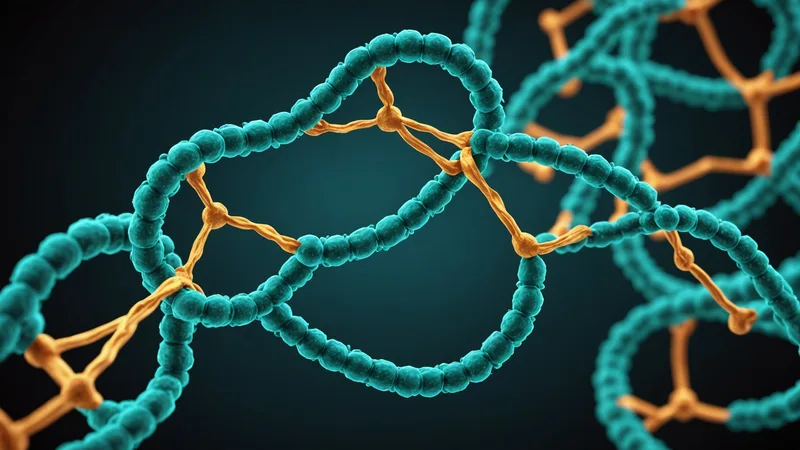
Generative protein design for enzyme catalysis
Why reaction-conditioned generation outperforms sequence-only models when the target is a functional enzyme, not just a folded protein.
Predicting thermostability before expression
How Tm prediction heads are trained and validated against DSF data — what the R²=0.81 number actually means in practice.

The design-build-test bottleneck in synbio
Why the design step is where you get the most cycle compression — and what it takes to shorten it without losing biological validity.

Metabolic pathway flux optimization with co-design
Cofactor stoichiometry constraints in multi-enzyme route design — why optimizing each enzyme independently fails when NADPH/NADH balance matters.
Solubility scoring for E. coli expression
What features correlate with soluble expression in BL21(DE3), and how those features are encoded in the prediction head training signal.

Directed evolution vs. generative AI for enzymes
Not a competition — a complementary relationship. How generative models reduce the library size that directed evolution needs to screen.
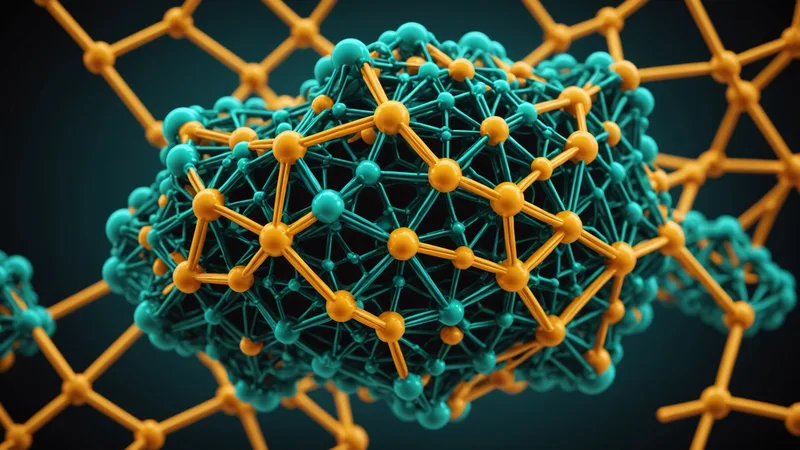
Cofactor specificity redesign: NAD to NADP
Switching cofactor preference from NADH to NADPH is a common engineering target. What the generative model learns about Rossmann fold binding pocket geometry.
Benchmarking enzyme generation models
What metrics actually matter when comparing enzyme generation approaches — and why diversity, not just accuracy, needs to be in the benchmark.

Substrate scope prediction accuracy
How well does the model predict which substrates a generated enzyme will accept? Analysis of substrate scope prediction on a holdout set of promiscuous enzymes.

Industrial biocatalysis design challenges
Why industrial enzyme requirements — high temperatures, organic co-solvents, substrate concentrations — make standard protein engineering approaches insufficient.

Integrating the Fermvyne API into your lab workflow
A practical guide to connecting Fermvyne's enzyme design API into Python notebooks, Benchling ELN, and gene synthesis ordering workflows.

Beyond hit rate: rethinking protein engineering metrics
Hit rate is the wrong primary metric for an AI-assisted campaign. What to measure instead — and how to set expectations with your team before the first synthesis order.